How to Make Sense of Big Headlines (and a Canyon Recap)
Thank you for taking a look at the latest CRB Strategic Services update.
This post has two parts:
• A simple framework for thinking about major macro events
• A short personal update from a recent Grand Canyon trip (skip straight to the pictures down below if you want to bypass the market commentary!)
A Practical Way to Think About Big Events
There is a lot happening right now, including direct military conflict involving the U.S., Israel, and Iran.
Rather than trying to interpret each new development in isolation, I find it useful to step back and view events through a few consistent lenses.
Below are 5 forces that I believe will shape the investment environment over the next 5–10 years.
1. The 4th Turning
This is Neil Howe’s framework describing long-term social cycles.
At a high level, periods of stability tend to give way to periods of stress, where institutions are tested and often restructured. We are likely in one of those transitional periods.
2. Financial Repression
A method governments use to manage high debt levels.
This typically shows up through low interest rates and policy choices that favor key borrowers over savers. The effect is gradual, but meaningful over time.
3. Fiscal Dominance
When fiscal policy takes priority over monetary independence.
In periods of stress, governments can exert more influence over the financial system, reducing the practical independence of central banks. This is common in wartime or crisis environments.
4. Currency Debasement
An expansion in the supply of money.
Modern systems allow for rapid increases in liquidity when needed. This can stabilize the system in the short term, but it can also reduce purchasing power over longer periods.
5. Passive Flows
Structural drivers of where capital goes.
Retirement plans and default investment rules direct large amounts of capital into stocks and bonds. These flows can push prices higher regardless of fundamentals. When those flows reverse, the adjustment can be quick.
Applying the Framework
When we look at current events through these lenses, the goal is not precision, it is orientation.
These forces help us think through second-order effects, things like energy prices, inflation, and how different asset classes may respond.
Our job is not to reposition the portfolio around each headline. It is to maintain a disciplined strategy and rebalance when the portfolio drifts from its targets.
—-
A Personal Note: Grand Canyon
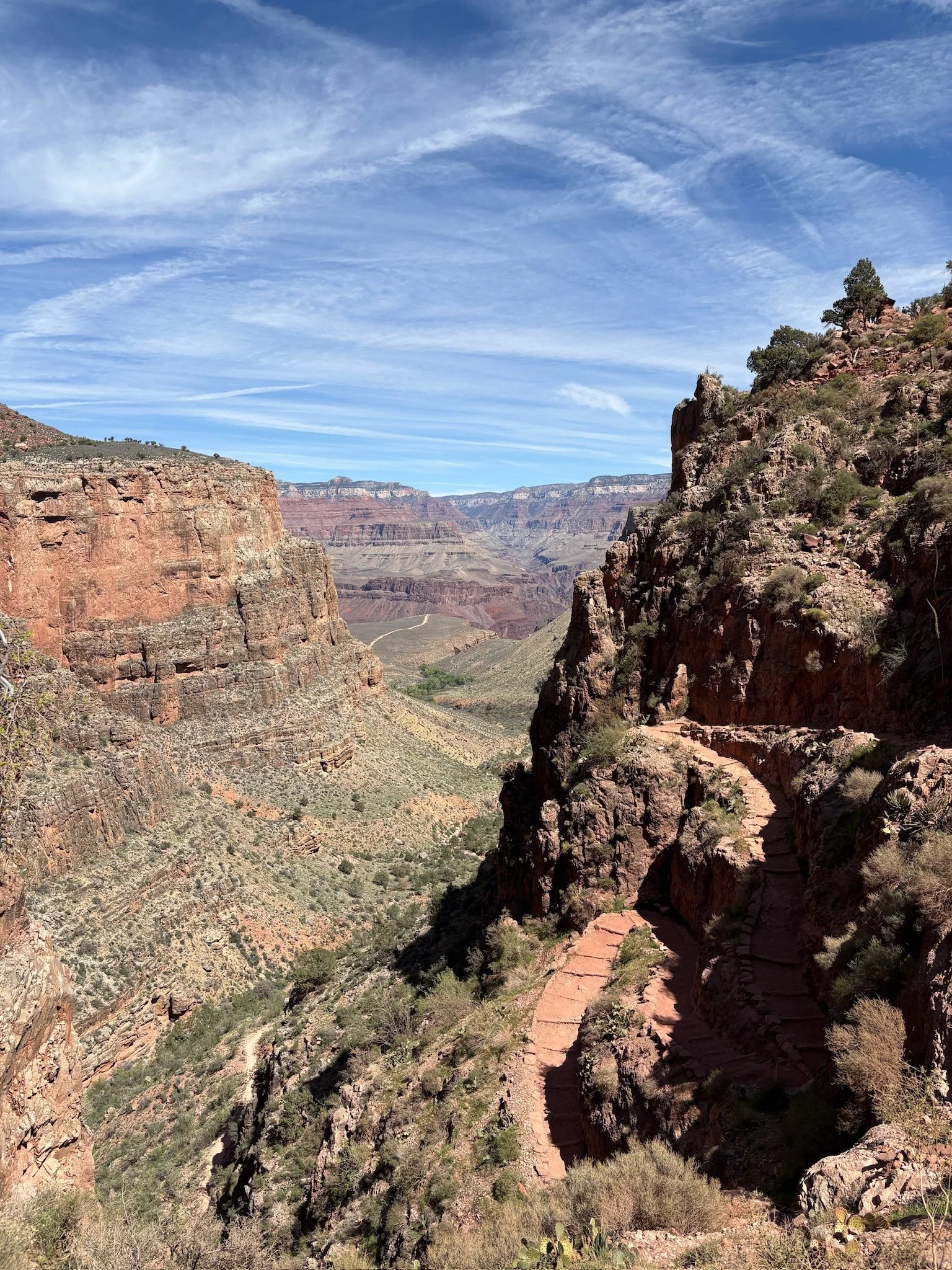
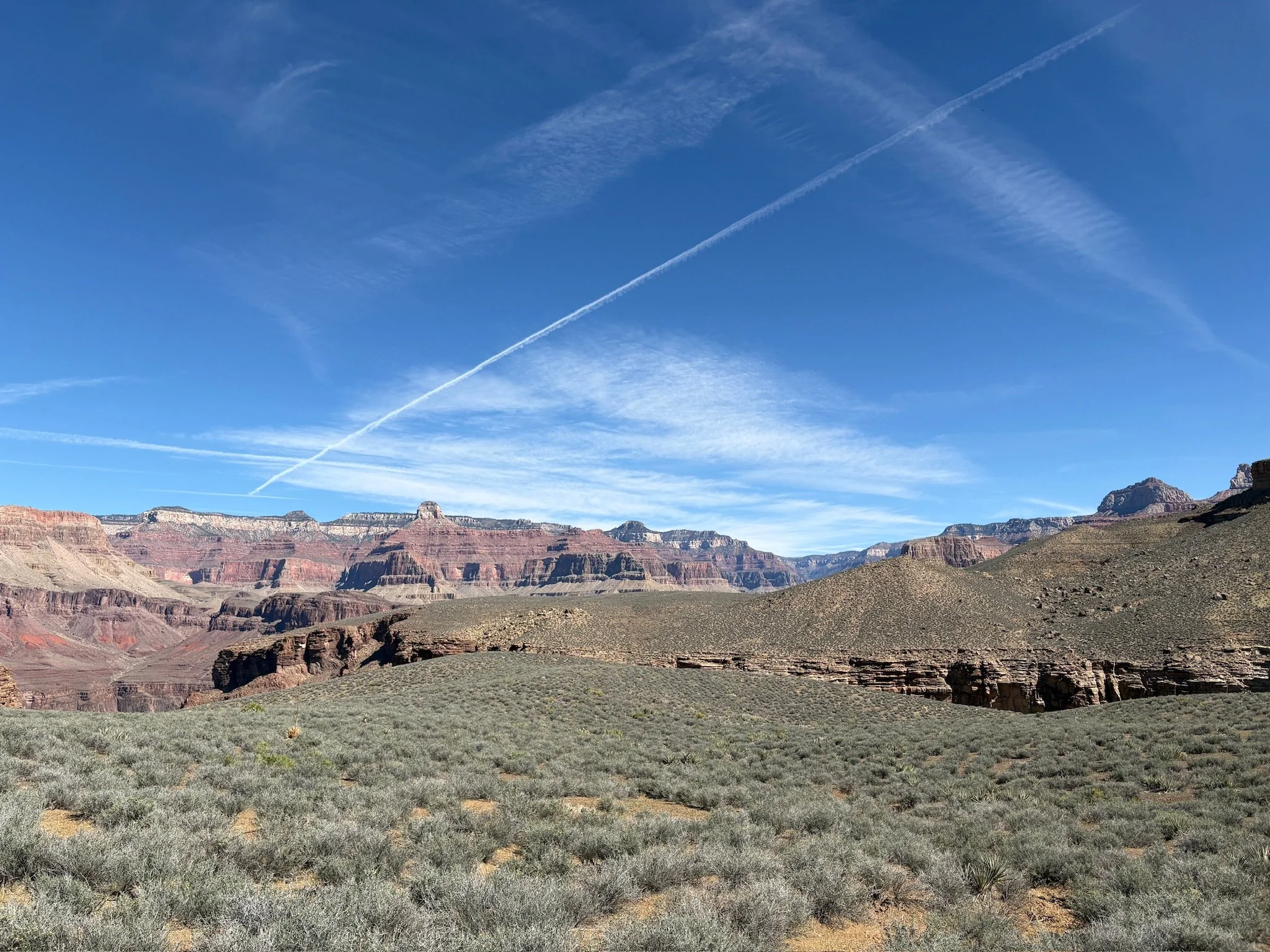
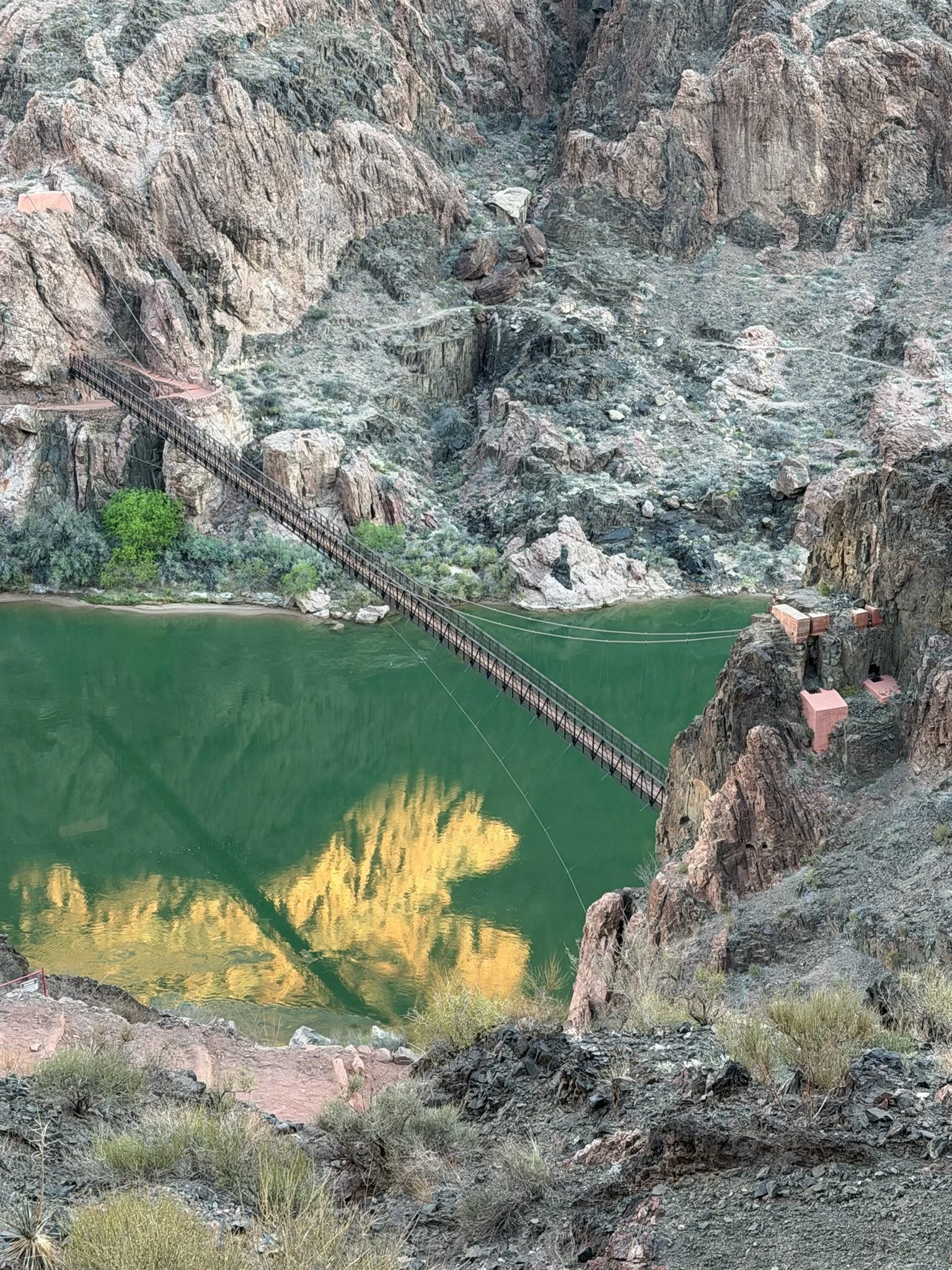
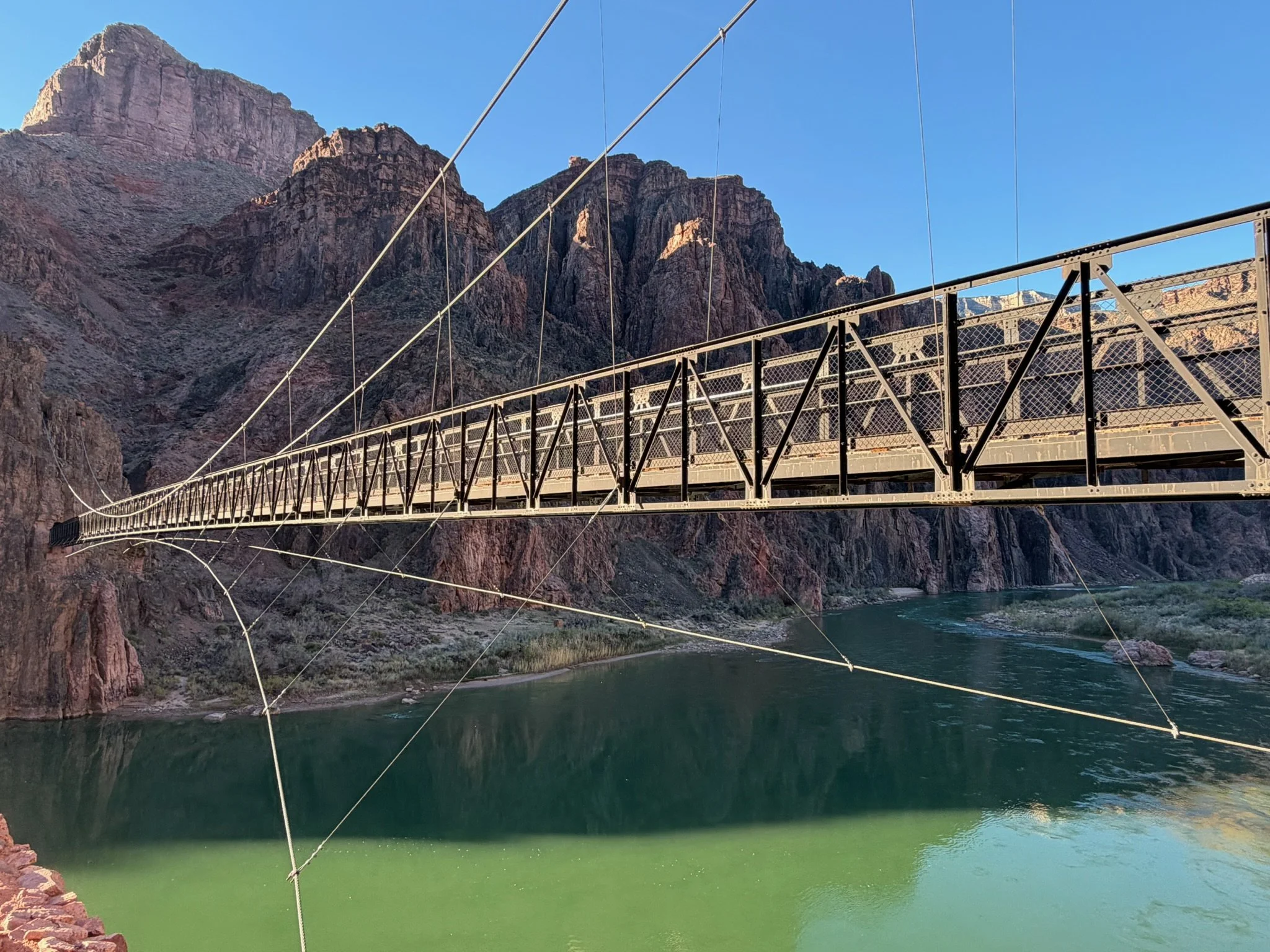
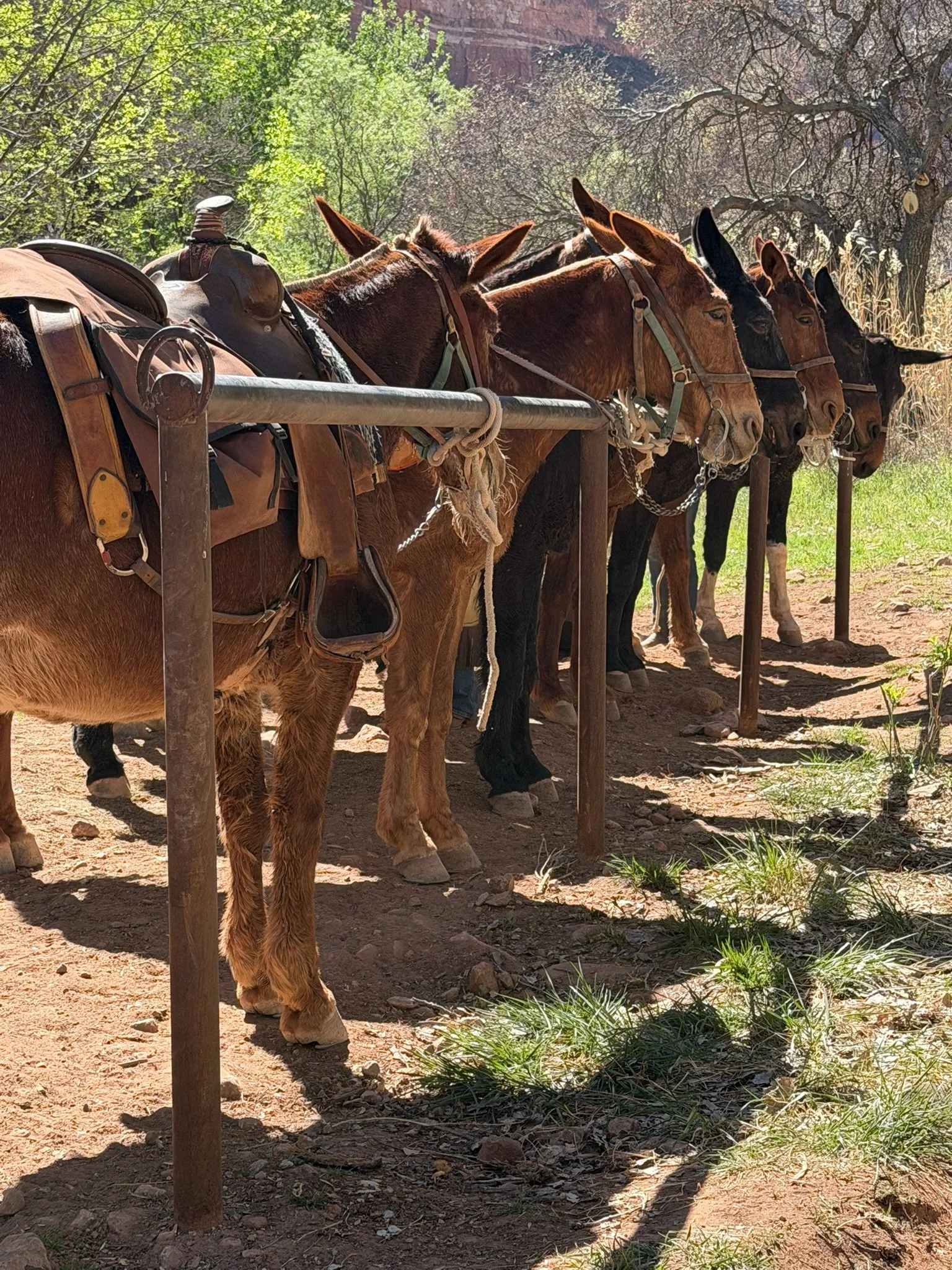
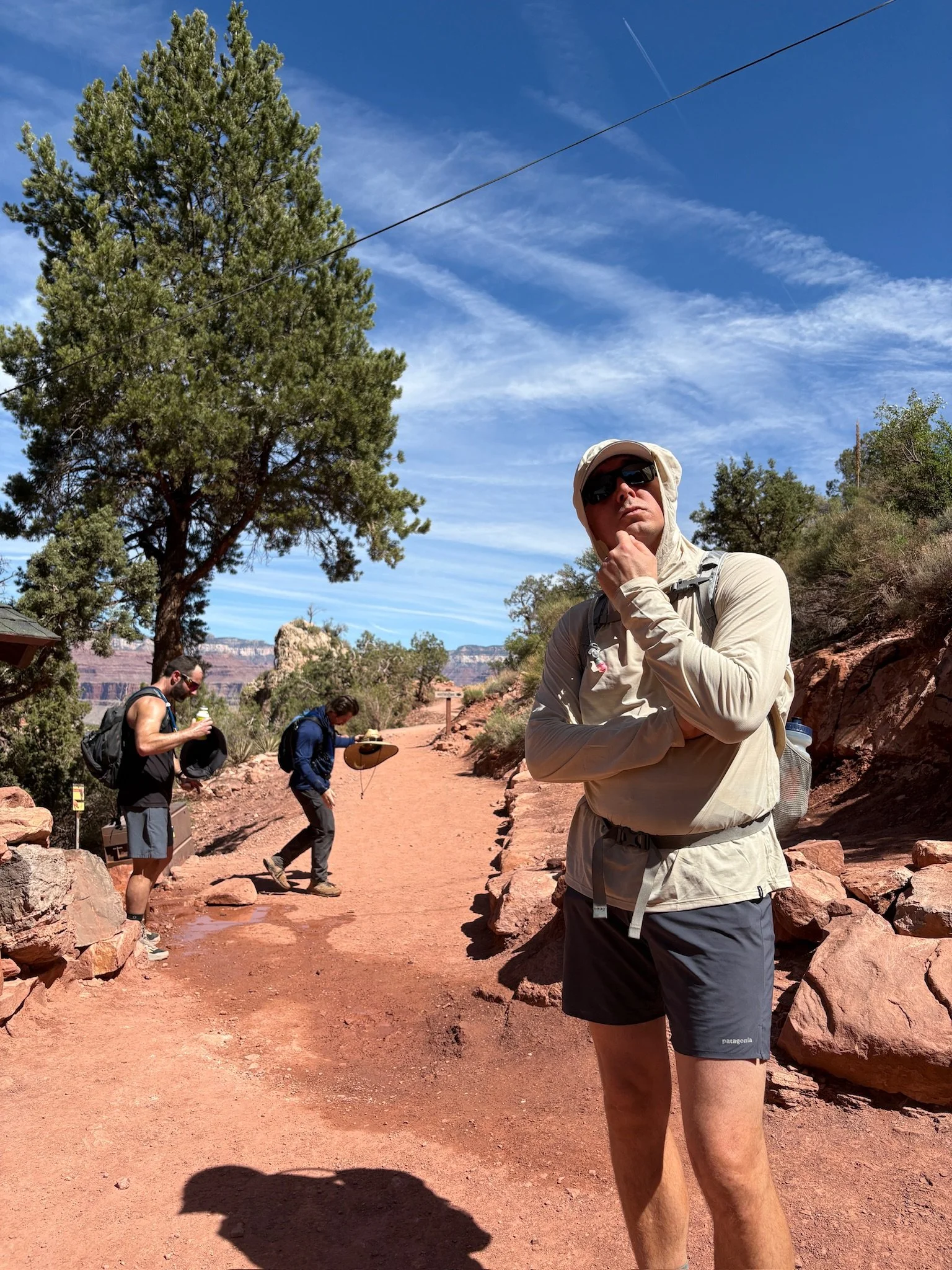
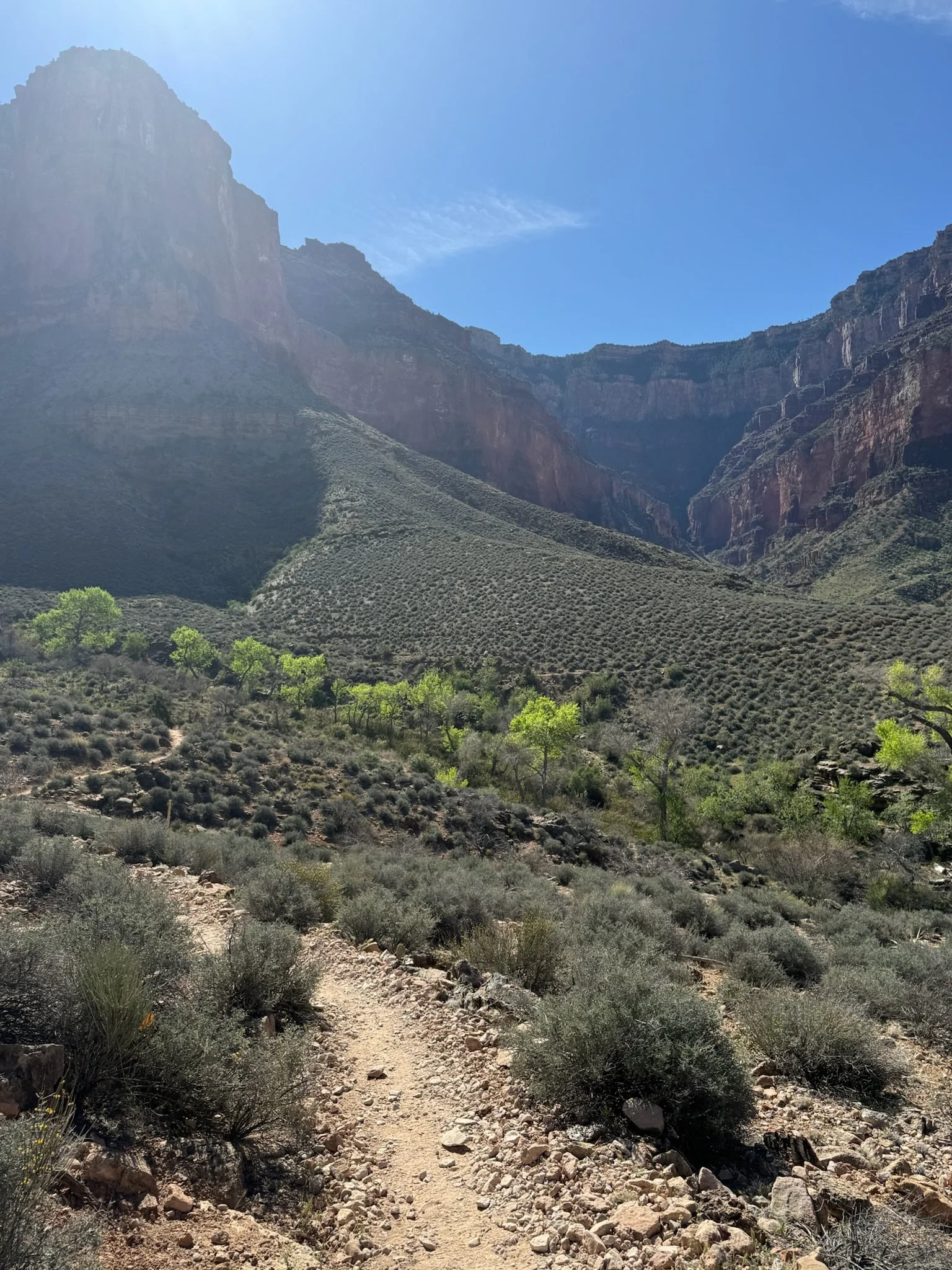
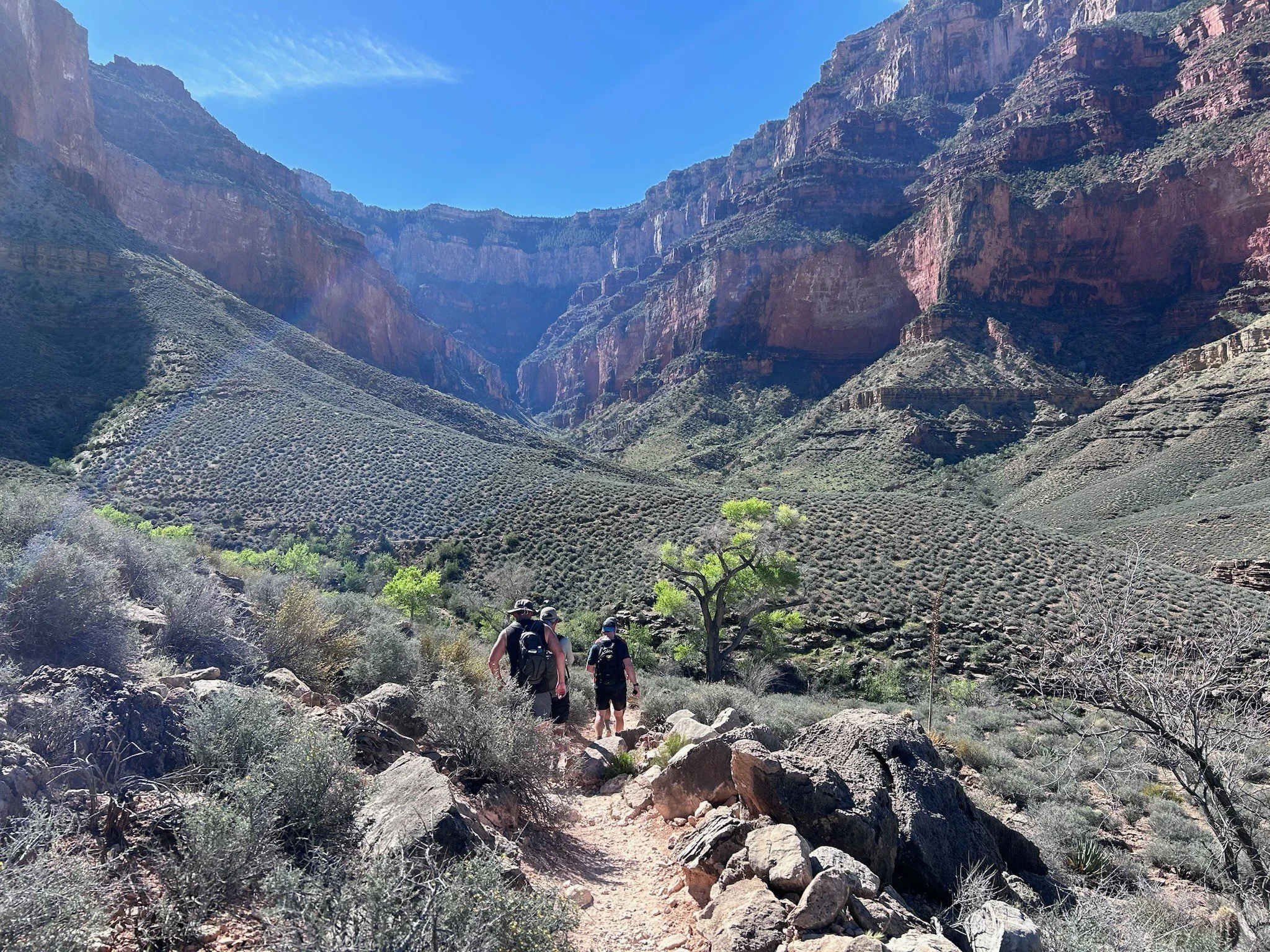
I completed a Grand Canyon hike this past weekend with a great group of friends.
We covered about 21 miles, including roughly one mile down and back up.
It was a demanding day and a good reset. The kind of experience that pulls you out of normal routines and puts your full attention on the task in front of you.
I’m a bit sore, but it was an incredible trip.
Please enjoy a few photos from the hike!








Thank you again for reading.
Please click here to contact the firm.